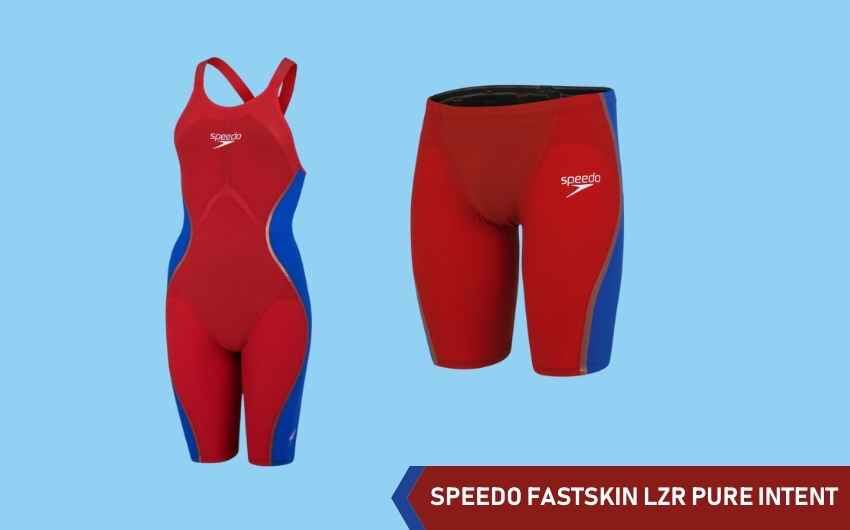
Competitive Racing Suits (What, Who, Where, When)!
Hello TEAM,
Eventually, almost every swimmer asks the same question: “Coach, when can I get a racing suit?” And once they get one: “Can I wear it at practice?” Here is a quick guide for swimmer and parents on competitive racing suits!
'Technical Racing Suits' (or tech suits) are a great tool, but they should be treated like a specialized piece of racing equipment, not an everyday swimsuit.
WHAT is a racing suit?
A technical suit is designed to reduce drag, improve body position and provide compression and support in the water.
In simple terms:
Training suit = build the swimmer.
Racing suit = help showcase the swimmer.
The suit doesn’t create the performance. The months and years of training do.
⸻
WHO should wear one?
There isn’t a magic age when a swimmer suddenly needs a technical suit. It should depend on the athlete’s development, competition level and meet priorities.
Ages 10–12: Learn to Race
For most swimmers in this age group, a technical suit is not necessary. The focus should be on: Technique, Starts and turns, Underwaters, Race skills, Learning how to compete, Building confidence etc. A normal training suit is perfectly capable of producing some very fast swimming.
*Coach’s advice: Save the technical suit for special occasions, if even used at all.
Ages 13–14: Start Using It Strategically
This is where technical suits can start becoming more appropriate, particularly for swimmers competing at higher-level meets. The emphasis should still be on development first. A swimmer doesn’t need a new technical suit for every meet on the calendar.
*Coach’s advice: Consider a technical suit for major championship meets or important personal goals, not every Saturday morning time trial.
Ages 15–16: Performance Becomes More Important
At this stage, many competitive swimmers are training seriously and beginning to target provincial, western and national-level competitions. Technical suits can become a valuable part of the athlete’s race preparation. But again: Suit ≠ Substitute for Training. The swimmer should be able to race confidently and perform well without it.
*Coach’s advice: Use technical suits primarily at priority meets and championship competitions.
Ages 17–18: Race the Big Meets
For senior age-group swimmers competing at a high level, technical suits are an important part of competition preparation. At this stage, athletes should understand: When to wear the suit, How to put it on properly, How to care for it, How it should feel, How to prepare mentally for racing in it.
*Coach’s advice: Save the good stuff for the meets that matter most.
⸻
WHERE should you wear one?
Not every meet needs a technical suit. Think about your season in levels of importance:
Regular Meet ➡️ Training suit
Time Trial / Club Meet ➡️ Training suit
Qualifying Opportunity ➡️ Depends on the goal
Provincials / Westerns / Nationals / Major Target Meet ➡️ Technical suit
The exact strategy can vary by swimmer and by meet, but the principle is simple:
Train in your training suit. Race in your racing suit.
⸻
WHEN should you put it on?
Ideally, the technical suit comes out when the swimmer is ready to race, not six hours before racing. Keep it dry and protected until it is needed.
And please do NOT wear it to: Warm-up, Dryland, Sit in the stands, Eat lunch, Walk around the pool, The Ride Home. Basically technical suits are expensive, so treat them like they’re expensive. (That might be my parent side coming out 😂)
⸻
The Most Important Part
We don’t want young swimmers thinking: “I swim faster because I have my racing suit.”
We want them thinking: “I swim fast because I trained hard, prepared well and I’m ready to race.”
The suit is simply one small piece of the performance puzzle.
For our 10–18 year-old athletes, the progression should generally be:
10–12: Develop the swimmer.
13–14: Introduce racing equipment strategically.
15–16: Use it to support performance at priority meets.
17–18: Learn to manage racing equipment like a high-performance athlete.
Coach Chris
#OutTrainThem